
8 Reasons an Alaska Cruise Is Worth Taking at Least Once

An Alaska cruise is the one cruise I tell people to take, even if they don’t think they’re cruise people. There are plenty of reasons to cruise Alaska at least once, but for me, the biggest one is simple: you get a taste of Alaska’s coastal side without having to piece together the whole trip.
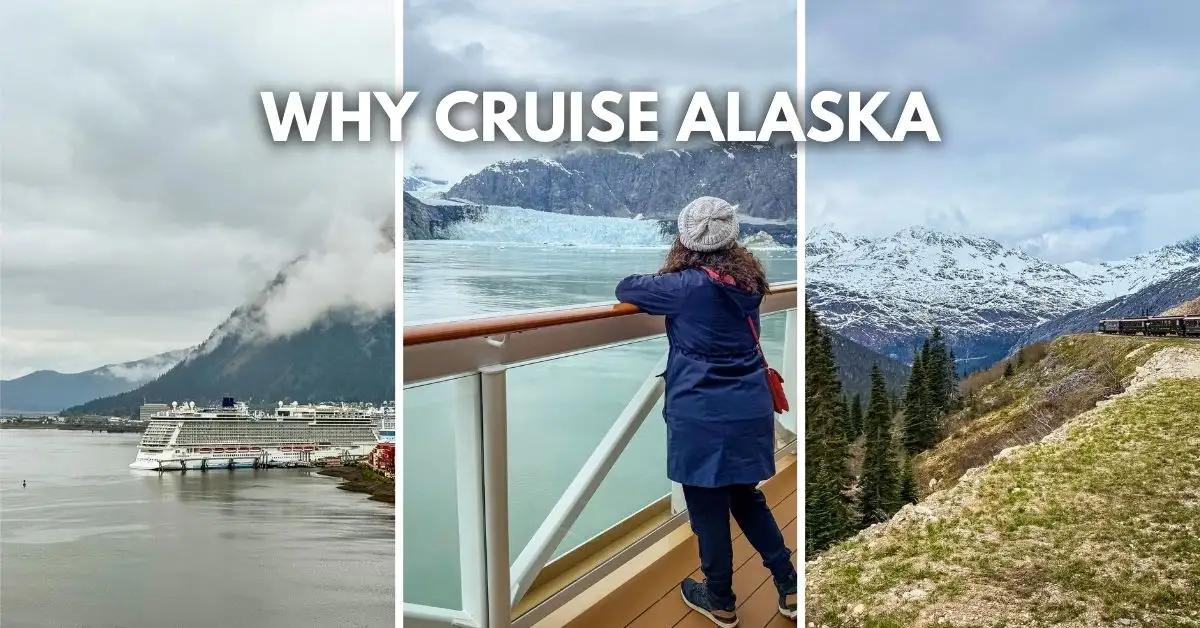
Could you go to Alaska and plan a land vacation without ever stepping foot on a cruise ship? Absolutely. I’d still love to do that one day. But it wouldn’t be the same trip.
Alaska can feel like a lot to plan for a first trip. It’s bigger than Texas, California, and Montana combined, and everything is more spread out than people realize. Add in the short cruise season, weather, ferries, flights, and long travel distances, and it’s easy to see why a cruise can make Alaska feel more approachable.
As someone who usually leans toward warm-weather trips, I didn’t expect Alaska to be the cruise I’d want to repeat. I thought I’d enjoy it, appreciate the scenery, and move on to the next warm-weather trip. Instead, it became the cruise destination I’ve already repeated, and if time and money were no object, I’d cruise Alaska every year. There are still ports I haven’t visited, and even the ones I’ve been to feel like they have more left to see.
So if Alaska has never been the trip you pictured for yourself, I get it. I didn’t expect it to become one of mine either.
If you’re wondering if an Alaska cruise is worth taking at least once, these are the reasons I’d say yes.
Is an Alaska Cruise Worth It?
Yes, if it’s your first trip to Alaska. An Alaska cruise is mostly a coastal experience. You’re sailing through the Inside Passage, stopping in port towns, and getting close to glaciers and wildlife along the way.
No, you’re not seeing all of Alaska. Trying to see the whole state in one trip would be a lot, and that’s not really the point of this kind of cruise. For a first visit, the cruise format gives you a manageable way to experience Alaska’s coastal side, and that’s exactly why it works.
1. A cruise makes Alaska feel less overwhelming
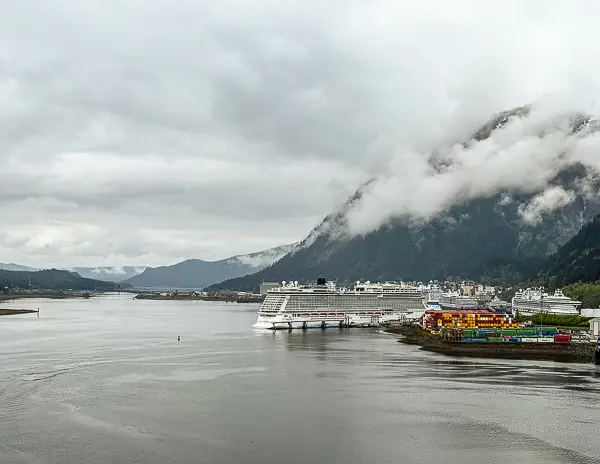
Once you start looking beyond the cruise brochure, planning a trip to Alaska can get complicated fast. It’s huge, spread out, seasonal, and full of places that sound incredible until you start figuring out how far apart everything actually is. Some places are not even connected by road, the way travelers might expect. You can’t drive in or out of Juneau, Alaska’s capital, since it’s only accessible by boat or plane.
That’s where cruising makes Alaska feel more approachable. You’re not trying to plan every hotel, transfer, rental car, ferry, and long travel day before you even know which parts of Alaska interest you most. The cruise gives you a route, a place to sleep, transportation between ports, and a starting point.
You still have decisions to make, of course. Not every itinerary is the same, and factors like port times, glacier-viewing days, and excursions can change the feel of the trip. But compared with building a full Alaska land trip from scratch, the structure is a big part of the appeal.
2. You don’t have to love cruise ships to enjoy this cruise
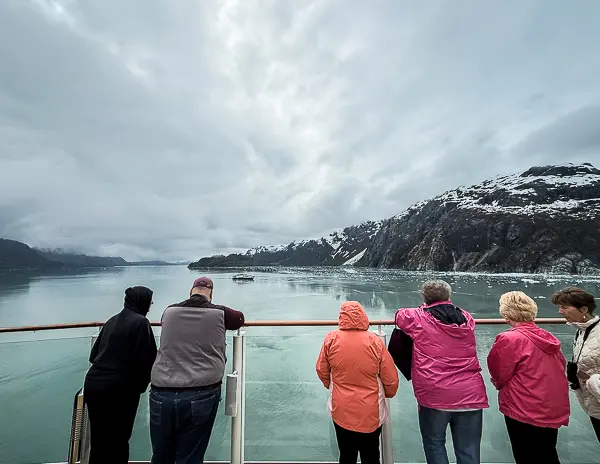
On some cruises, the ship can feel like the destination itself. The restaurants, pool deck, nightlife, shows, and onboard activities can drive a lot of the vacation. On an Alaska cruise, the ship and cruise line still matter, but Alaska is what leads the trip.
That’s because an Alaska cruise is less about being entertained by the ship all day and more about what the ship helps you reach: scenery, wildlife, glacier days, and port towns. You can sail on a smaller adventure-focused ship that leans into wildlife, kayaking, hiking, and harder-to-reach places, or choose a mainstream cruise line with bigger ships, more restaurants, entertainment, family features, and familiar comforts. You’re not locked into one version of cruising.
What I don’t think you need is a ship that tries to be the entire trip.
A good Alaska sailing should support what you came to see. That might mean educational talks, naturalist commentary, scenic viewing spaces, hot drinks on deck, or crew who know how to make a glacier day feel like part of the itinerary instead of just another sea day.
That’s the difference. You don’t have to be obsessed with cruise ships to appreciate an Alaska cruise. You just need a sailing that lets you experience Alaska the way you want.
3. The scenery is part of the sailing, not just the port days
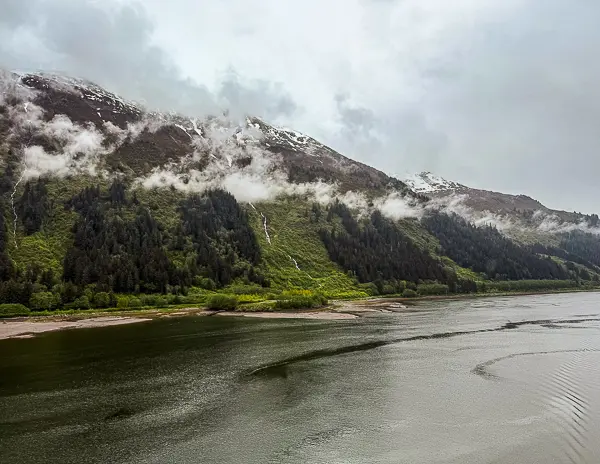
On some cruises, the time between ports is mostly open ocean while you wait to get to the next destination. On an Alaska cruise, the route itself becomes part of what you came to see. You’re not just looking out at water for hours. You may be passing forested islands, snowcapped mountains, waterfalls, small coastal communities, and stretches of shoreline where people keep an eye out for whales, eagles, seals, bears, and whatever else decides to show up.
The views aren’t limited to the ports or excursions. They are part of getting there and back, and scenic cruising takes that even further on glacier days.
Ship time on an Alaska cruise is not filler. Sometimes the plan is to stand on deck and watch Alaska unfold around you.
4. Each port gives you a different reason to get off the ship
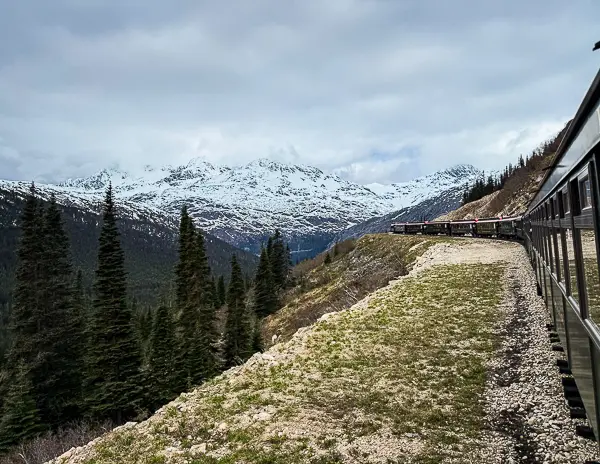
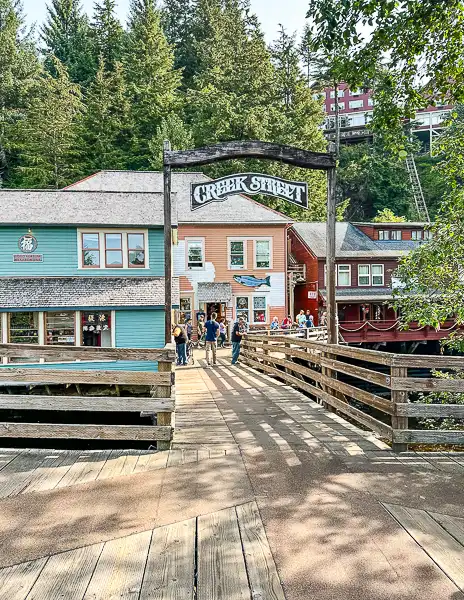
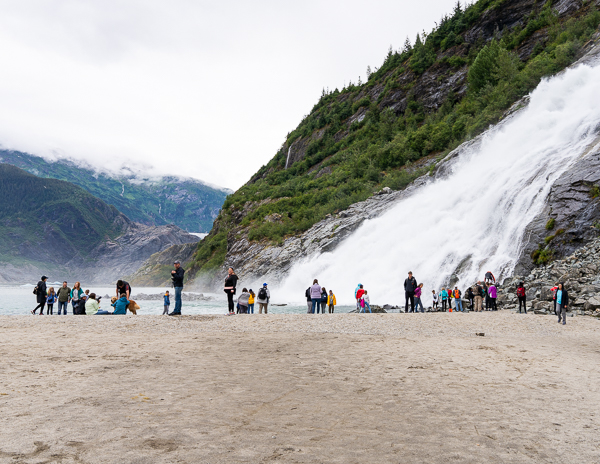
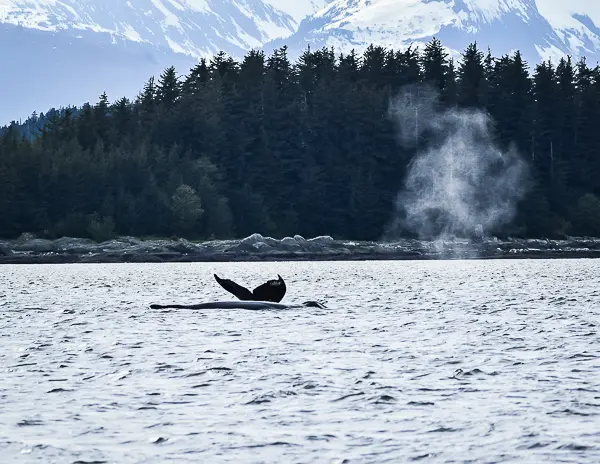


Most 7-day Alaska cruise itineraries include Juneau, Skagway, and Ketchikan, and each port brings something different to the trip.
Juneau might be the day you go whale watching, visit Mendenhall Glacier, or sit down for crab legs and salmon chowder near the water. Skagway brings in Gold Rush history, the White Pass train, and routes that take you into the mountains. Ketchikan can be a shorter stop, but even a few hours can give you Creek Street, local shops, seafood, salmon runs if the timing is right, and that rainy coastal-town setting Alaska is known for.
Depending on your itinerary, you might also stop in Sitka, Icy Strait Point, Haines, Seward, or Whittier. Those ports can bring in wildlife viewing, Indigenous culture, fishing, hiking, slower port days, or access to places that feel farther from the standard cruise-port loop.
That variety matters, but so does the time you actually get in port. Longer port days give you more room to make the most of each stop, whether that means taking a longer excursion, fitting in more than one activity, or leaving time to explore without feeling rushed.
Some ports are made for big excursions. Others are easier to keep simple. You can plan each port day around what interests you most.
Read more: Your Guide to the Top Alaska Cruise Ports
5. A glacier day is not a regular sea day
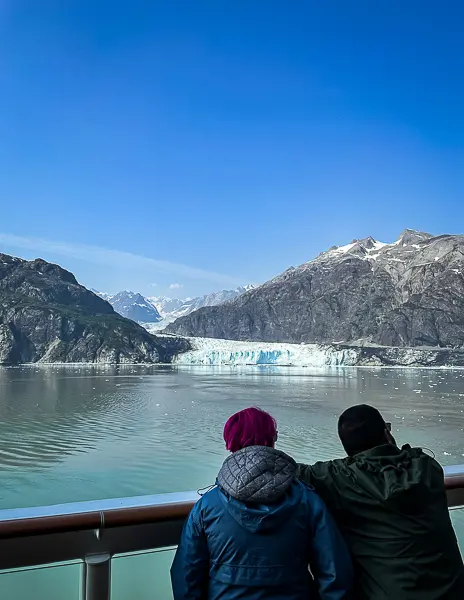
A glacier day may show up on your itinerary as scenic cruising, but it is not that kind of sea day you ignore until lunch. On many Alaska itineraries, you’ll have at least one glacier-focused route or scenic cruising area, like Glacier Bay, Endicott Arm, Dawes Glacier, Hubbard Glacier, or another glacier-viewing area. It may look like a sea day on the schedule, but it does not feel like one once you’re there.
You’re not getting off the ship, booking transportation, or rushing from one stop to the next. The ship slowly moves through the area while passengers gather on balconies, decks, lounges, and open viewing spaces to watch the glaciers, shoreline, wildlife, and surrounding water.
Glacier Bay is the scenic cruising day I’d look for if you’re booking your first Alaska cruise. Not every sailing includes it, so make sure Glacier Bay is actually listed on the itinerary before you book.
And yes, you’ll probably be cold. You may be bundled up with coffee, gloves, a hat, and one more layer you almost didn’t pack. But if there’s ever a time to stand outside in the cold on vacation, this is it. On an Alaska cruise, glacier days are not filler between ports. They’re one of the reasons this kind of itinerary works.
6. You don’t have to be outdoorsy to enjoy it
I appreciate nature, but I would never call myself outdoorsy. I think that’s why Alaska can intimidate people. They picture it as a trip for hikers, campers, kayakers, and people who own serious outdoor gear. It can be that kind of trip, if that’s what you want. But an Alaska cruise doesn’t have to be highly active to be worth it.
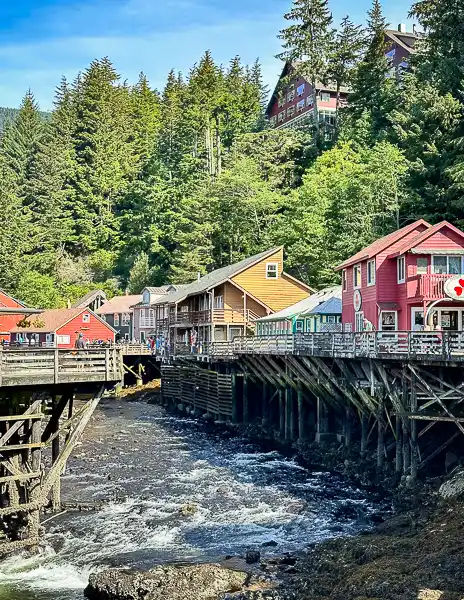
You can walk around Creek Street in Ketchikan, take a whale-watching tour from a boat, ride a scenic train, or spend part of the day eating crab legs and chowder near the port.. You’re still getting outside and seeing Alaska, but you’re not turning every day into an endurance test.
That’s part of why cruising works so well here. You can choose how active you want the trip to be without making every day feel like a full expedition.
You still need to dress for Alaska weather, not a typical warm-weather cruise. I’ve gotten by with practical pieces I already owned, like fleece-lined leggings, sweatshirts, waterproof sneakers, warm socks, and a rain jacket. I’ve added a few extras over time, but I didn’t need to buy out the REI store to enjoy the trip.
You don’t need to be a wilderness person to love Alaska. You just need to be comfortable enough to stay outside when the scenery, wildlife, or port day is worth sticking around for.
7. Alaska wasn’t my usual kind of trip, and that was the point
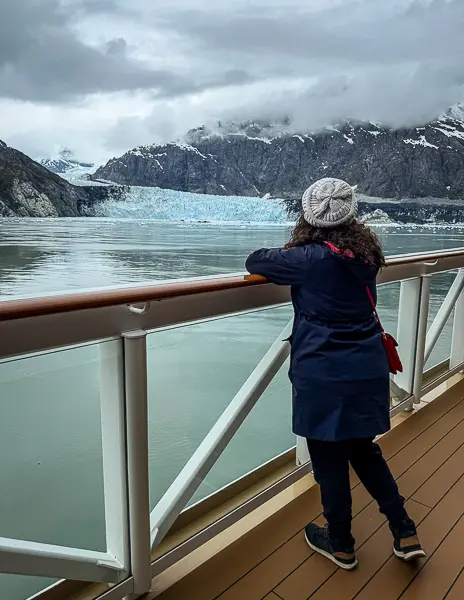
I’m usually drawn to trips with sunshine, good food, and fewer conversations about rain jackets. Alaska gave me something else entirely: mountains, glaciers, waterfalls, thick green shoreline, and that feeling that nature is running the show. I expected to appreciate it. I didn’t expect it to make me want to go back again.
The weather mattered. The layers mattered. The early mornings mattered. Even the rainy days felt tied to the place instead of ruining the trip. It was not the kind of cruise where I spent the week chasing pool time, sun, or beaches in port. Alaska pulled my attention somewhere else.
That ended up being the point. Sometimes the trip outside your usual comfort zone is the one worth taking a chance on. I also think Alaska cruising gets unfairly boxed in as a trip for one type of traveler, but I saw families, couples, friend groups, and people of different ages as excited as we were.
If Alaska sounds too cold, too rainy, too slow, or too different from your usual vacation, that might be exactly why it’s worth considering.
8. An Alaska cruise can be the beginning, not the whole story
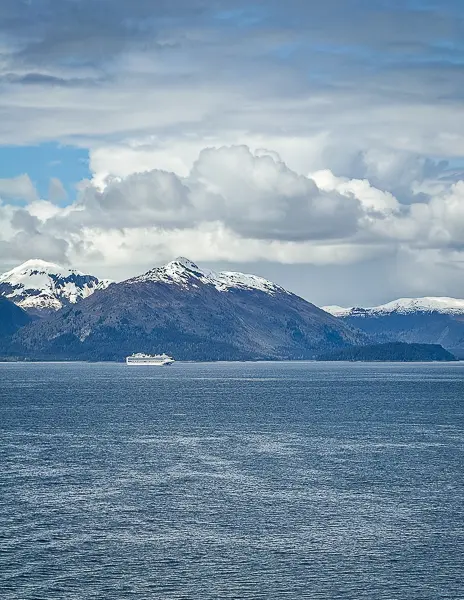
An Alaska cruise can give you the first taste of the state, but it will not show you everything. And I don’t think it needs to.
If anything, cruising Alaska made me more curious about what else is there. I’d still love to plan a land trip one day, maybe Denali, Seward, Anchorage, the Kenai Peninsula, or simply more time in one place instead of watching the clock in port. I haven’t mapped that trip out yet, and I’m not pretending I have.
It also made some of the coastal towns feel worth revisiting on their own. Ketchikan, for example, is one of those places where a half-day cruise stop gave us just enough time to know I’d go back with more time. Realizing there are flights from Seattle to Ketchikan in about two to two and a half hours made that kind of return trip feel more realistic than I would have assumed before cruising there.
I don’t see a future land trip as a reason to skip the cruise. I see it as the opposite, and that’s part of what makes an Alaska cruise worth taking at least once. It didn’t make Alaska feel checked off. It made me want to see more.
BEFORE YOU SET SAIL, HERE ARE SOME RELATED ARTICLES YOU DON’T WANT TO MISS:
- Alaska Cruise Packing Tips – Don’t Forget These Items
- Alaska Cruise Bucket List: The Must-Do Alaska Experiences
- Alaska Food Bucket List – 17 Flavors to Look For
Kathy Ava
Meet Kathy Ava, a food, travel, and cruise writer based in Los Angeles/Pasadena, and the owner and main writer of Tasty Itinerary. With over 20 years of experience planning trips and logistics at her full-time job and for herself, she's become a pro at crafting unforgettable tasty itineraries. She's always on the hunt for delicious, fun travel destinations and cruise itineraries. She firmly believes that life is short and we must make the most of it, so always say yes to dessert.