
16 Bermuda Facts That Might Surprise You

Growing up, the main thing I knew about Bermuda was the mystery surrounding the Bermuda Triangle. I didn’t even realize it was somewhere people actually vacationed, so most of the Bermuda facts I knew came from those old stories. Of course, the so-called triangle is more legend than an officially recognized geographic area, but it was my first introduction to Bermuda.
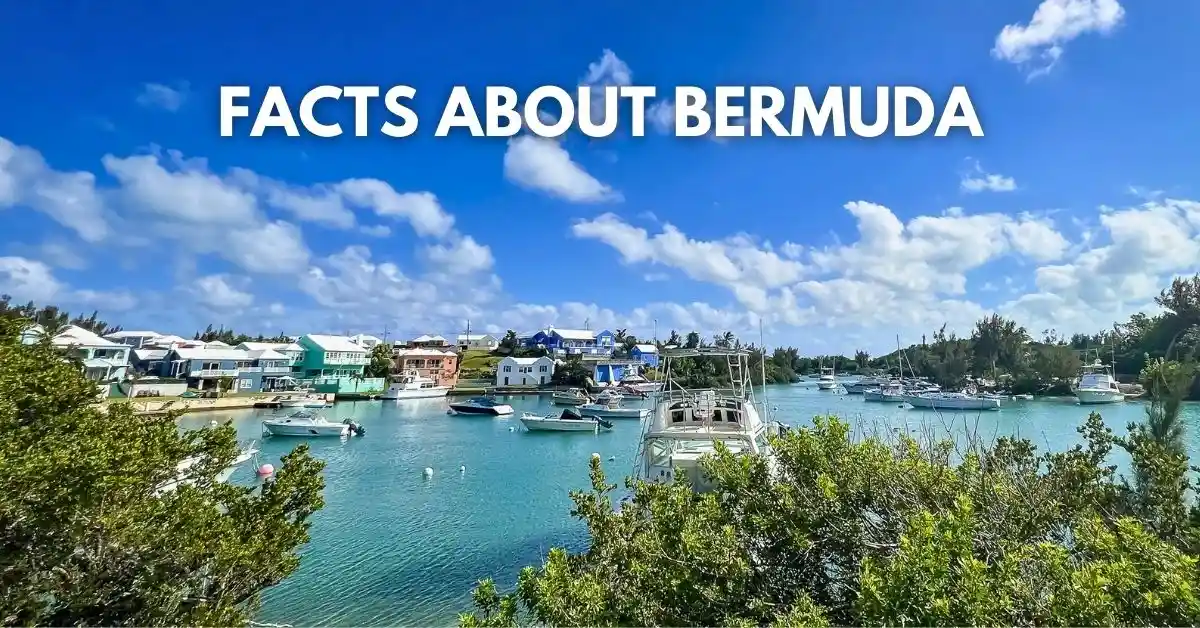
It wasn’t until I started planning our first cruise there that I learned Bermuda isn’t in the Caribbean, its pink sand beaches are real, and there was much more to the island than the mystery I remembered hearing about as a kid. On our most recent trip, it was fun to learn a few more of these facts and talk about them with the family, especially my nieces and nephews, as we explored.
1. Bermuda Is Not in the Caribbean
It’s easy to assume Bermuda is part of the Caribbean, but it’s actually located in the North Atlantic, about 650 miles east of North Carolina.
In the warmer months, Bermuda can still look and feel tropical, with humid weather, beaches, and clear blue and turquoise waters. Its climate is more seasonal, though, which is why Bermuda’s main cruise season generally runs from spring through fall.
2. The Bermuda Triangle Is More Legend Than Geography
The Bermuda Triangle was my main association with Bermuda growing up, but it is not an officially recognized geographic area. There are no agreed-upon boundaries showing exactly where it begins or ends.
Many of the missing ships and planes tied to the legend have more practical explanations, including severe weather, navigation problems, equipment failure, and human error.
What surprised me on this trip was realizing that the younger members of our family had never even heard of the Bermuda Triangle. Apparently, it was a much bigger part of growing up for my generation than it is for theirs.
3. Bermuda Is Made Up of 181 Islands
Bermuda may look like one long island on a map, but it is actually made up of 181 islands and islets. Many of the main ones are connected by bridges, which is why traveling around Bermuda does not feel like island-hopping.
Altogether, Bermuda covers only about 21 square miles. It is small, but there is still plenty to see between the eastern and western ends of the island, and it typically takes about an hour to drive from one end to the other.
4. Bermuda Is a British Overseas Territory
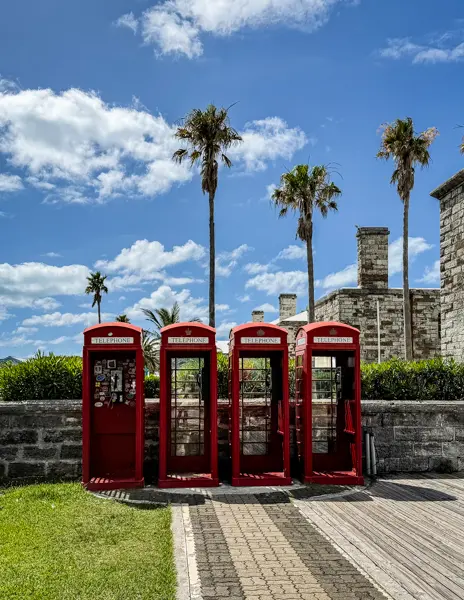
Bermuda is a British Overseas Territory, and you can see that influence in the road rules, place names, historic forts, and customs like afternoon tea and cricket. The British monarch is Bermuda’s head of state and is represented on the island by the Governor.
Bermuda also has its own elected government, traditions, and culture shaped by African, Caribbean, and British influences. Its connection to Britain is clear, but Bermuda has developed an identity that is very much its own.
5. Most Large Cruise Ships Dock at the Royal Naval Dockyard
Most large cruise ships dock at King’s Wharf or Heritage Wharf in the Royal Naval Dockyard on Bermuda’s western end. Some first-time visitors assume they will step off the ship in Hamilton, but that usually is not the case.
The Dockyard has shops, restaurants, museums, and transportation nearby. To reach Hamilton, the Crystal Caves, St. George’s, and many beaches, you will need to take a ferry, bus, taxi, tour, or private driver.
6. Bermuda Is Divided Into Parishes, Not Counties
Bermuda is divided into nine parishes rather than counties. The closest comparison for many Americans is Louisiana, the only U.S. state that also uses parishes.
One detail to keep in mind is Hamilton. The City of Hamilton is located in Pembroke Parish, while Hamilton Parish is a completely separate area farther east.
7. Bermuda’s White Roofs Collect Rainwater
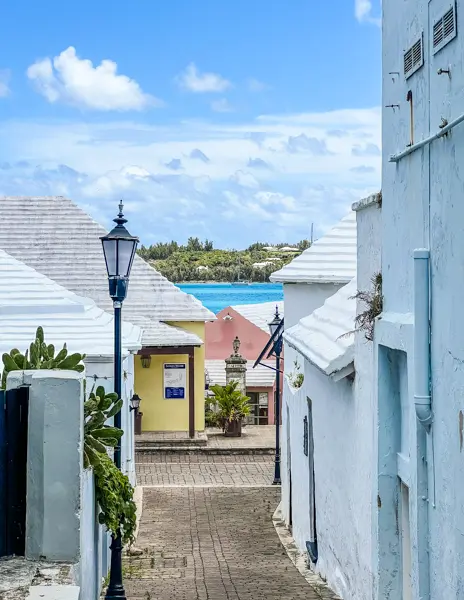
One of the things our driver explained was why nearly every home in Bermuda has a stepped white roof. The design helps collect rainwater and direct it into storage tanks beneath the home, which is essential because Bermuda lacks freshwater rivers or lakes.
The roofs also need to be kept clean and regularly recoated since dirt, mildew, and debris can wash into the water supply. The cleaner the roof, the cleaner the water entering the tank.
Once I understood what the roofs were for, I started noticing them everywhere.
8. Bermuda’s Pink Sand Comes From Tiny Marine Organisms
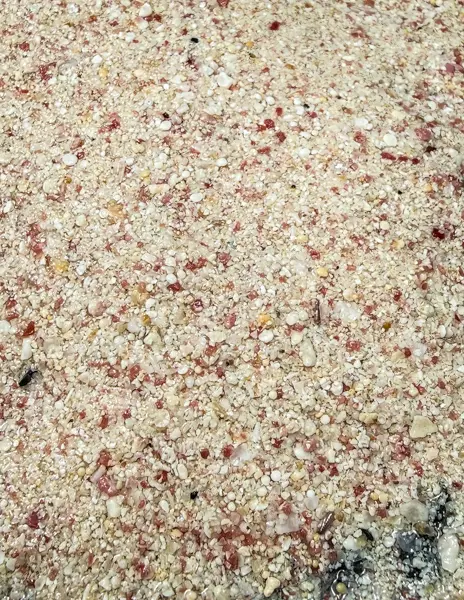
Bermuda’s pink sand gets part of its color from tiny marine organisms called foraminifera. Their reddish shells mix with crushed coral, shells, and sand along parts of the shoreline.
We were told Horseshoe Bay had the pinkest sand, but when we visited John Smith’s Bay, I thought the sand looked even pinker. The pink sand is real, but sometimes you have to stop and really look at it to notice the color.
9. Visitors Cannot Rent Regular Cars
Visitors cannot rent standard cars in Bermuda, a rule that helps limit traffic and pollution on such a small island with narrow roads. Travelers can still get around by public bus, ferry, taxi, scooter, bicycle, or compact electric vehicle.
We rented a two-seat Twizy for a day on one trip. On our most recent visit, we hired a driver instead since we were traveling with a family group of eight.
10. Bermudians Drive on the Left
Bermuda follows British driving rules, so traffic moves on the left side of the road. Speed limits are low, which makes sense once you see the narrow roads, tight curves, and stone walls along many of them.
It can feel strange as a passenger when cars pass on what we consider the wrong side of the road. On some of the tighter stretches, it briefly looks like they are coming straight at you.
11. The Bermuda Dollar Is Equal to the U.S. Dollar
The Bermuda dollar is equal in value to the U.S. dollar, and American cash is widely accepted across the island.
You may receive Bermudian money as change, though, so it is worth using or keeping as a souvenir before you leave. Credit cards are common, but carrying some cash can still be helpful for taxis, tips, and smaller purchases.
12. St. George’s Is a UNESCO World Heritage Site
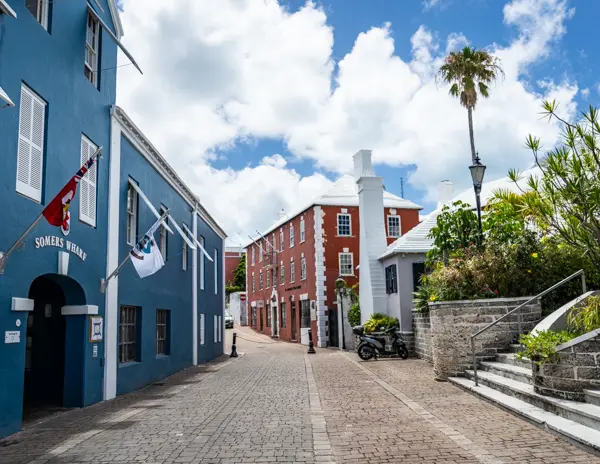
Founded in 1612, St. George’s is one of the oldest English towns in the Americas. The town and its surrounding fortifications were named a UNESCO World Heritage Site in 2000.
Its colorful waterfront and narrow streets make it worth spending some time here. A few places to see include King’s Square, St. Peter’s Church, the Unfinished Church, and the waterfront around Ordnance Island.
13. Bermuda Has More Than 170 Recorded Caves
For a place covering only about 21 square miles, Bermuda has a surprising number of caves. More than 170 have been recorded. Some are dry, others are filled with seawater, and a few are completely submerged, making Bermuda feel like it has a whole hidden world beneath it.
We toured Crystal Cave during our visit, and its discovery story is memorable. In 1907, two boys playing cricket went searching for a lost ball and stumbled upon an opening in the ground. It is wild to think that something so large had been hiding beneath the island until a simple game led to its discovery.
14. Bermuda Once Had a Railway
Bermuda had a passenger railway from 1931 to 1948. It was nicknamed the “Old Rattle and Shake,” which gives you a pretty good idea of what the ride was probably like.
Much of the former route is now the Bermuda Railway Trail, with different sections open for walking and biking across the island.
15. Cruise Ships Have to Navigate Through Bermuda’s Reefs
Bermuda is surrounded by coral reefs, so large cruise ships traveling to and from the Royal Naval Dockyard have to follow a designated channel through them.
As we sailed away, our captain pointed out the reefs on both sides of the ship as we followed the channel toward open water. It was one of those details I probably would not have noticed otherwise, and it gave me a much better sense of how closely the reefs surround Bermuda.
16. More Than 300 Shipwrecks Surround Bermuda
Bermuda’s coral reefs caused serious trouble for ships long before modern navigation. More than 300 wrecks now lie in the waters around the island, earning Bermuda the nickname “Shipwreck Capital of the Atlantic.”
Some can be explored on diving and snorkeling tours, while others are part of the exhibits and stories shared at the National Museum of Bermuda.
BEFORE YOU SET SAIL, HERE ARE SOME RELATED ARTICLES YOU DON’T WANT TO MISS:

Kathy Ava
Meet Kathy Ava, a food, travel, and cruise writer based in Los Angeles/Pasadena, and the owner and main writer of Tasty Itinerary. With over 20 years of experience planning trips and logistics at her full-time job and for herself, she's become a pro at crafting unforgettable tasty itineraries. She's always on the hunt for delicious, fun travel destinations and cruise itineraries. She firmly believes that life is short and we must make the most of it, so always say yes to dessert.